



Professional whitening compared to over-the-counter kits
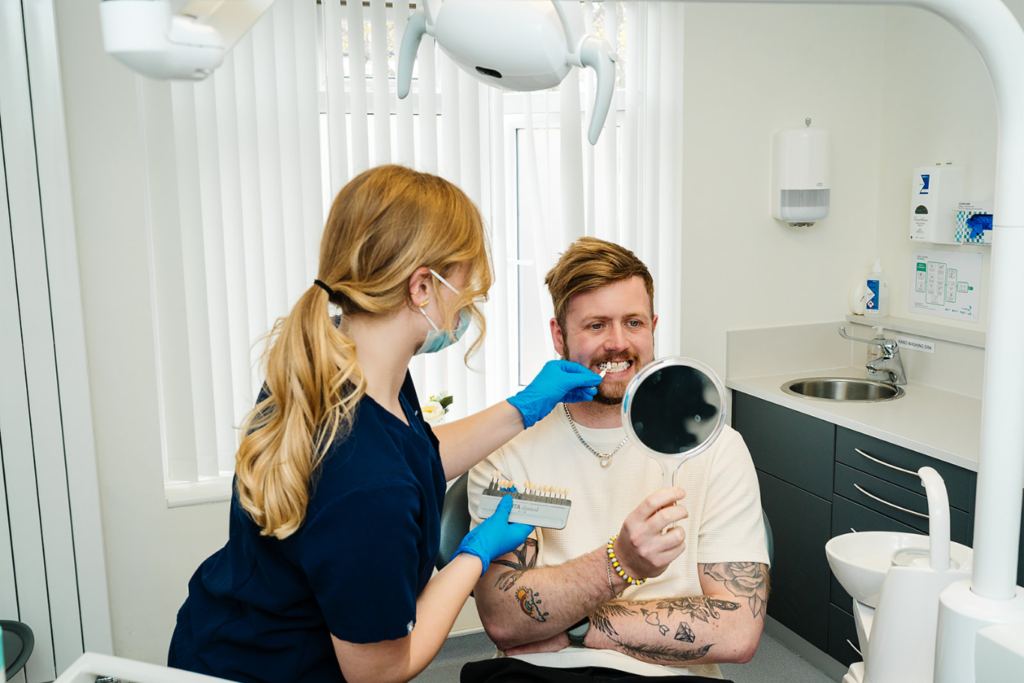
Table of contents 1. What is teeth whitening?2. How teeth whitening works3. Cons of over the counter whitening4. Pros of professional whitening5. Why should I get my teeth whitened by a Dental professional and not use an over-the-counter shop bought product?6. Are you a good candidate for teeth whitening?7. Conclusion Teeth whitening is a popular cosmetic dental treatment designed to brighten yournatural smile by reducing the appearance of stains and discolouration. Over time,factors such as food, drink, smoking, ageing, and certain medications can causeteeth to darken. Professional teeth whitening by your dentist offers a safe, effectivesolution by using clinically approved whitening agents under dental supervision,delivering noticeable, even results while protecting your teeth and gums.This blog helps to explain why professional teeth whitening with a dental professionalis the safer option over using over-the-counter whitening products that can bepurchased from a supermarket or pharmacy. What is teeth whitening? Teeth whitening is a cosmetic dental treatment which uses chemicals to lighten thecolour of your natural teeth. Whitening can reduce stains and discolouration fromcoffee, tea, red wine, smoking, ageing, and certain medications.Professional teeth whitening uses clinically approved whitening agents to breakdown these stains, helping your smile look brighter and more refreshed. Whencarried out or supervised by a dental professional, whitening is a safe and effectiveway to enhance your smile while protecting your tooth enamel and gums. How teeth whitening works? Professional teeth whitening uses a safe whitening gel, usually containing hydrogenperoxide, to lighten the natural colour of your teeth. The process works by: Penetrating the enamel to reach deeper stains within the tooth. Breaking down the stains caused by food, drink, smoking, and ageing. Lightening the tooth colour without damaging or removing tooth structure.  Professional teeth whitening is carefully controlled by dental professionals toprotect your teeth and gums. Creating a brighter and more even looking smile. Over-the-counter whitening Poor fit – “One size fit’s all†trays or whitening strips can lead to patchy orinconsistent whitening. As everybody has different sized jaws, it is veryunlikely these whitening trays will feel comfortable in the mouth. Irritation – Incorrect use can cause tooth sensitivity or gum irritation. Less effective – Lower whitening strength often means less noticeableresults. In the UK whitening products sold in shops are limited to 0.1%hydrogen peroxide to ensure safety. No dental assessment – Underlining issues like decay or gum disease arenot addressed, therefore untreated prior to whitening. Enamel risk – Incorrect product use can damage enamel or worsen existingsensitivity. Professional whitening Teeth whitening carried out by a dental professional is a much safer and reliableoption with guaranteed results. Clinical before photos may be taken on your initialconsultation process to ensure whitening progress is being made throughout yourjourney. Safer treatment – Supervised by a dental professional at all times to protectyour teeth and gums. Better results – Stronger, clinically approved whitening agents for morenoticeable whitening. Professional whitening products use a higherpercentage of either hydrogen peroxide or carbamide peroxide than over thecounter. These products with a higher percentage can only be provided onprescription by a dental professional. Even finish – Custom made trays ensure consistent, natural looking results. Tailored treatment plan and care – Treatment is customised to your teeth,goals, and sensitivity levels. Longer lasting results – Professional whitening tends to last longer withproper aftercare. Expert guidance – Your dentist can advise on maintaining results andreducing sensitivity. Why should I get my teeth whitened by a Dental professional and not use a shop bought product? When it comes to deciding whether you should get your teeth whitened by a DentalProfessional or buy a whitening kit from a shop, it is very important you carry outyour research. Although shop bought whitening kits may seem like they are a moreaffordable option, there are many reasons for their price tag. There are manydifferent products on the market, but they will never be able to deliver the result youare looking for in a safe way. Results – Professional teeth whitening uses stronger but carefullyadministered chemical agents which can lighten teeth up to 16 shades. Shopbought kits use a low whitening agent or use a “blue light technology†which isjust a placebo effect. The bright blue light is often just used as a timer ratherthan an activating agent. Customisation – Most of shop bought products are usually “one size fits allâ€which is not true. Everyone has a different sized jaw, which usually varies inwidth. Using a whitening tray that doesn’t fit your mouth correctly, may lead tothe whitening agent to spill out of the edges, or not even meet the teeth at all.Dental professionals use custom made trays by taking impressions, this way itensures the gel stays on the teeth, providing an even, effective coveragewithout leaking. Safety and protection – Sometimes, you may not be applicable to undergoteeth whitening. It is advisable that you have your dental health checked firstto ensure you are suitable for whitening. Whitening may not be applicable ifyou have dental caries, or poor gum health. A dentist will ensure to carry outany treatment confirming your mouth is stable to start whitening treatment. Long lasting results – Professional dental treatments can often last longer,usually up to 2 years with regular reviews Are you a good candidate for teeth whitening? Not everyone is a candidate for teeth whitening. You are usually a good candidate forteeth whitening if: Your teeth are healthy and there is no tooth decay present or active gumdisease. Your discolouration is from staining from tea, coffee, wine, smoking or somefood. You do not have front white fillings, crowns or veneers. You are not pregnant or breast feeding. You do not suffer from severe teeth whitening. Teeth whitening is an effective cosmetic treatment that can significantly enhance theappearance of your smile when carried out safely and correctly. While over thecounter whitening products may appear convenient and more cost effective, theyoften deliver limited and uneven, with potential risks to your enamel and gums. Incontrast, professional teeth whitening is carefully assessed and supervised by adental professional to ensure both safety and optimal results. Ultimately, choosingprofessional teeth whitening

What Are Mini Dental Implants?
Learn about mini dental implants, how they work, their advantages, costs and who they’re best suited for in this easy-to-follow guide.

All-On-4 Dental Implants Explained
Considering All-on-4 dental implants? Learn what they are, how they work, benefits, costs and who’s a good candidate in this complete step-by-step guide.

How Much Do Dental Implants Cost: Breaking Down The Price
Find out the real cost of dental implants in the UK. Explore average prices, what impacts cost and ways to make treatment more affordable.

Dental Implants vs. Dentures: Pros, Cons and What’s Best For YouÂ
Discover the key differences between dental implants and dentures, including benefits, drawbacks, costs and care tips to help you make an informed choice for your smile and oral health.

Does Getting Braces or Implants Hurt? What to Expect Before, During and After
Wondering if getting braces or dental implants hurts? Learn what to expect before, during and after treatment, plus tips for managing discomfort and recovery.