BY TOFTWOOD DENTAL PRACTICE
23 December 2025
Table of Contents
A cracked tooth is a common dental problem that can cause discomfort, sensitivity, and, if left untreated, more serious complications. Cracks can happen for many reasons, like biting hard sweets, grinding teeth, or experiencing an injury. Understandably, many people worry when they first notice a fracture.
Fortunately, most cracked teeth can be repaired, but the type of treatment needed depends on the extent of the damage. Acting quickly is vital, as early treatment can prevent the crack from worsening or leading to infection.
Today, we explain how dentists diagnose and treat cracked teeth, what symptoms to look out for, and how to prevent further damage.
Symptoms of a Cracked Tooth
Not all cracked teeth are immediately visible. Common signs of tooth damage include pain when chewing, sensitivity to hot or cold foods, and discomfort that comes and goes. A cracked tooth may show one or more of the following symptoms:
- Sharp pain when biting or chewing
- Sensitivity to temperature or sweet foods
- Swelling around the affected tooth
- Intermittent pain rather than constant pain
- A visible line or fracture on the tooth
- Pain when releasing pressure after biting
If you notice these symptoms, especially after biting something hard, you should book a dental appointment as soon as possible.
Can a Dentist Fix a Cracked Tooth?
Yes. Dentists can fix most cracked teeth using restorative treatments that repair or protect the tooth. The specific treatment depends on the cause, location, and severity of the crack.
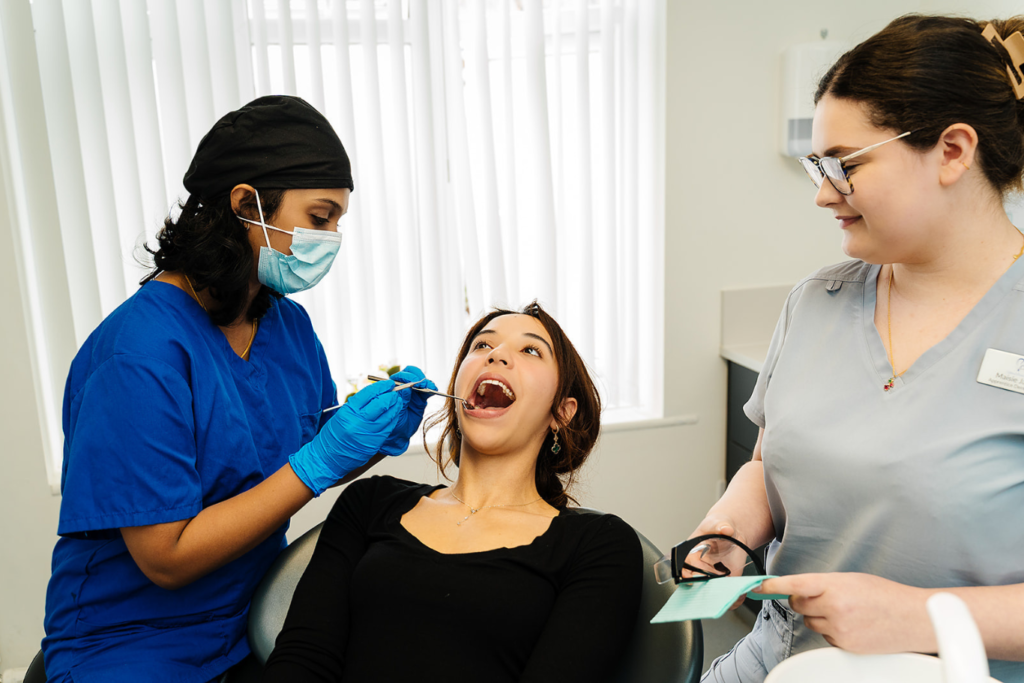
A dentist will typically begin with:
- A visual examination
- A dental X-ray to assess internal damage
- A bite test to determine the extent of the fracture
- A sensitivity assessment
Early treatment is key. Delayed care increases the risk of infection or tooth loss. For patients in Norfolk looking for a reliable practice, Toftwood Dental provides comprehensive restorative dentistry, including dental implants in Dereham.
If you suspect you have cracked a tooth, contact Toftwood Dental today to arrange an assessment and protect your oral health.
How to Fix a Cracked Tooth
Dentists use different treatments depending on how deep or extensive the crack is. Below are the most common options and when they are recommended.
Dental veneers
Dental veneers are thin porcelain or composite shells bonded to the front surface of the tooth. They are used when:
- The crack is superficial
- The damage is cosmetic rather than structural
- The tooth remains strong and healthy underneath
Veneers restore appearance and protect against further damage, making them ideal for minor cracks or chipped front teeth.
Dental Crown
A dental crown is often recommended for cracks that are deeper or affecting the chewing surface. Crowns cover the entire tooth, providing strength and stability when the structure has been weakened.
A crown may be used when:
- A crack extends across the tooth but has not reached the root
- Significant loss of tooth structure
- The patient experiences pain when biting
Crowns are commonly used to prevent the crack from progressing.
Dental bonding
Dental bonding involves applying a tooth-coloured composite resin to fill or seal small cracks. This option is suitable for:
- Minor surface cracks (craze lines)
- Small chips
- Hairline fractures that do not affect the tooth’s internal structure
Bonding is a quick, minimally invasive procedure often completed in a single visit.
Root canal therapy
When a crack extends into the pulp (the inner nerve and blood supply), infection becomes likely. Root canal therapy is the recommended treatment to remove damaged or infected tissue and save the tooth.
A root canal is required if:
- The patient experiences persistent pain
- Swelling or signs of infection
- The crack has reached the pulp chamber
After root canal therapy, a crown is usually placed to restore full strength.
Tooth extraction
Unfortunately, not all cracked teeth can be saved. If the crack extends below the gumline or splits the tooth into separate sections, the tooth may need to be removed.
Dental extraction is recommended when:
- The tooth is fractured vertically into the root
- No longer structurally viable
- Infection is severe and cannot be treated
If extraction is necessary, many patients choose replacement options such as dental implants in Toftwood, bridges, or dentures to restore function and appearance.
Tips on Preventing a Tooth from Cracking
You can reduce the risk of cracked teeth by adopting simple preventive habits:
- Avoid chewing hard items like ice, unpopped popcorn kernels, or pen caps
- Wear a mouthguard if you grind your teeth at night
- Use a protective sports mouthguard for contact sports
- Maintain regular dental check-ups
- Brush with fluoride toothpaste and follow good oral hygiene routines
- Avoid sudden temperature changes, such as biting ice after drinking something hot
- Treat cavities early to prevent weakened enamel
Following these steps helps protect your teeth and reduces the likelihood of future fractures.
FAQs
Can a cracked tooth repair itself?
No. According to the NHS, teeth do not heal themselves. While enamel cannot regenerate, early dental treatment can prevent further damage.
How much does it cost to fix a cracked tooth?
Costs vary depending on the treatment required—for example, bonding is usually cheaper than crowns or root canal therapy. Your dentist will provide a tailored estimate after examining the tooth.
How long does it take to fix a cracked tooth?
Minor cracks may be repaired in a single visit. Crowns and root canals may take multiple appointments, depending on complexity.
Can a cracked tooth cause dizziness?
Not directly, but severe dental infections may cause referred symptoms or general unwellness. Always seek a dental review if symptoms persist.
Can a cracked tooth cause an infection?
Yes. If bacteria enter the crack, it can infect the pulp, leading to pain, swelling, and the need for root canal therapy.
Ready to Restore Your Smile?
If you’re concerned about a cracked tooth or want to prevent future problems, book an appointment with Toftwood Dental for expert advice and personalised care.
This content is for informational purposes only. Consult a professional for personal advice.
Share this article:
Factors that make healing faster or slower include:
- Whether bone grafting or sinus lift surgery was needed.
- Your overall health (for example, diabetic control, immune function and nutrition).
- Smoking or vaping: both slow healing and increase the risk of failure.
- The implant’s position: upper jaw sites can take longer than lower jaw.
- How carefully you follow after-care and cleaning instructions.
Root canal therapy
Latest Posts

Potential Side Effects of Dental ImplantsÂ
Discover the temporary and long-term side effects of dental implants. Learn what’s normal, what to watch for and how Toftwood Dental can help.

Can you get dental implants with gum disease?
Even with gum disease, dental implants might still be an option. Discover what can be done to improve your chances and what to expect.

How to Prevent Children’s Rotten Teeth During Halloween?Â
Learn how to protect your kids’ teeth from Halloween sweets. Get tips to prevent children’s rotten teeth and keep their smiles healthy all season long.

Dental Implants Before and After: What to Expect and Essential Care
Learn what to expect before and after dental implants, including essential care tips for proper healing, aftercare and maintaining long-lasting results.

Why Wearing Retainers After Braces Is Essential
Wearing a retainer after braces is important to keep your teeth straight. Discover different types of retainers, care tips and how long you need to wear them.

UK Dental Treatments vs ‘Turkey Teeth’
Explore the key differences between UK dental treatments and Turkey teeth. Compare cost, technology, insurance and aftercare to make the right choice.
Dentist in Dereham
Become a patient by contacting us today!