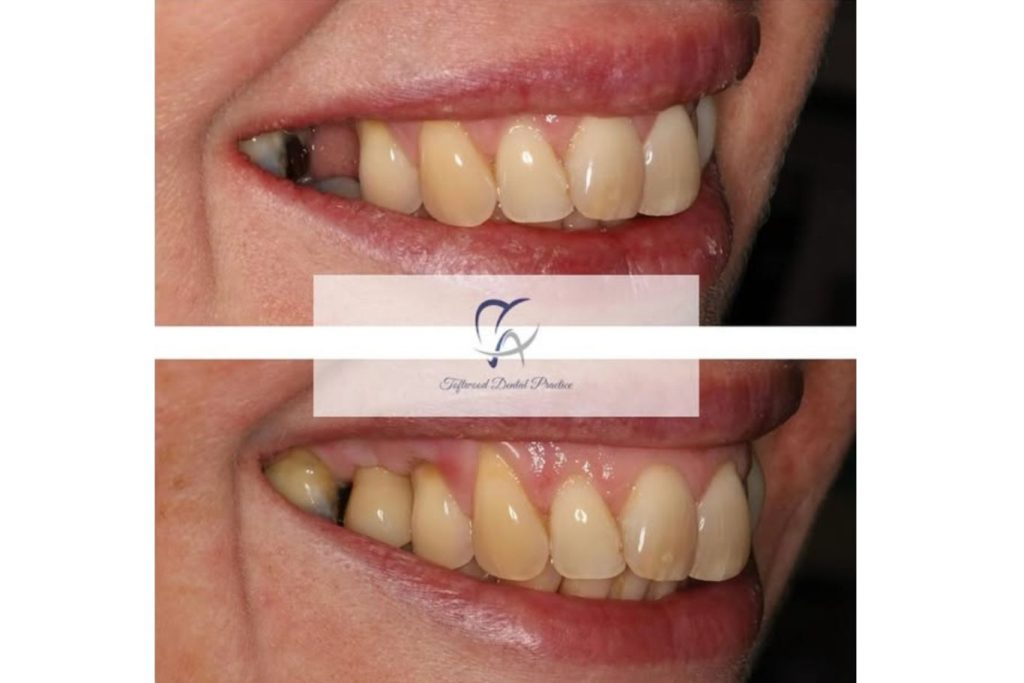
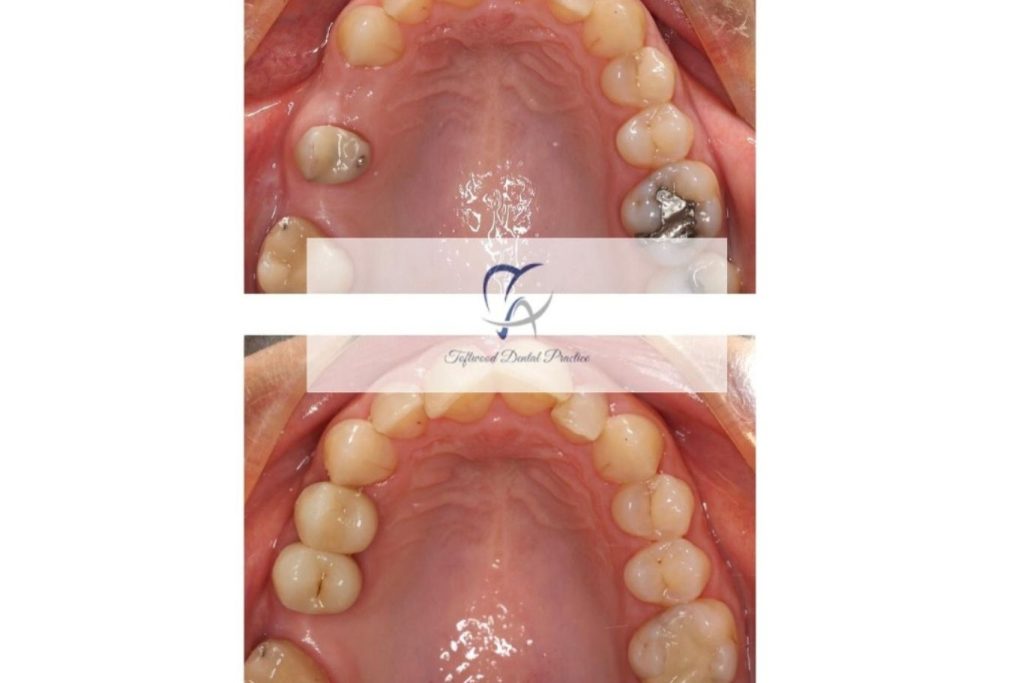
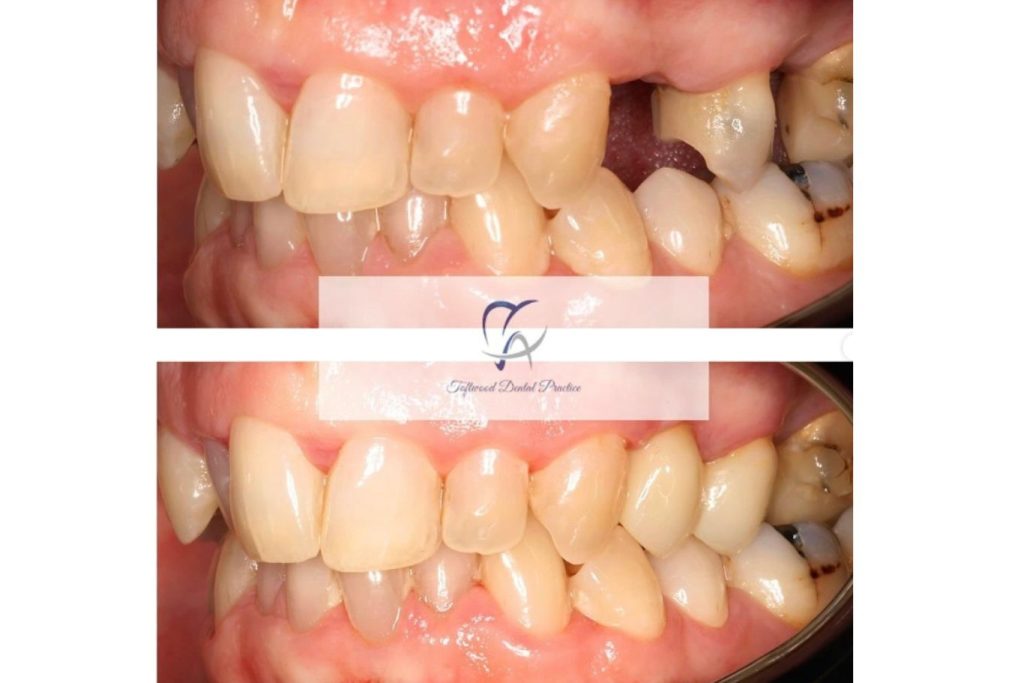
Elder woman during her dental appointment checking on dentures and dental implants
Picture of BY TOFTWOOD DENTAL PRACTICE

BY TOFTWOOD DENTAL PRACTICE

27 November 2025

Table of Contents

When comparing dental implants vs dentures, it’s normal to feel unsure about which option is right for you. Both treatments provide effective tooth replacement solutions, but they differ in cost, procedure, longevity, comfort, and suitability. Understanding these differences can help you make a confident, informed decision about your smile and long-term oral health.  

At Toftwood Dental Practice, we support patients across Norfolk who are considering dental implants, dentures and other restorative options. 
Treatment Process

Here’s a quick overview of each treatment to help you understand how both options work:

Dental implants involve placing a small titanium screw into the jawbone, where it acts like an artificial tooth root. Once this has fused with the bone (a process called osseointegration), a crown, bridge or denture can be attached on top. The step-by-step process typically includes:  

  • Assessment – Your dentist checks your oral health, gums and bone density.  
  • Implant placement – The implant is placed into the jaw during a minor surgical procedure under local anaesthetic.  
  • Healing phase – The area is left to heal for several months so the implant can bond with the bone.  
  • Restoration – A custom-made crown, bridge or implant-supported denture is fitted to complete your new smile. 

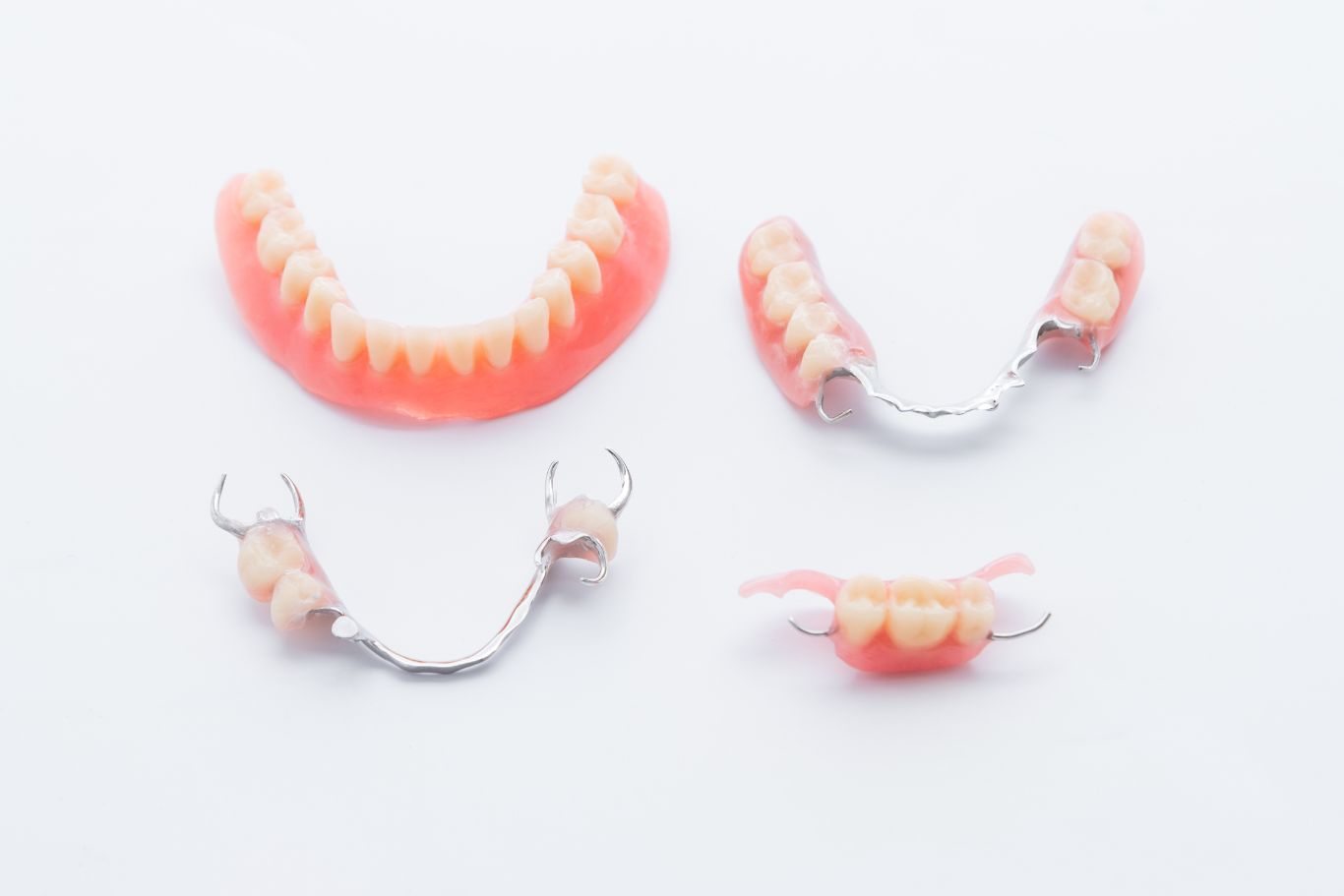
Dentures are removable replacement teeth. The NHS describes two main types:  

  • Complete dentures – For people missing all teeth.  
  • Partial dentures – For those missing some teeth.  


The process usually includes taking impressions. Next, models are tried in to check the fit. Then, your dentist makes any necessary adjustments before fitting the final dentures. Because no surgery is required, dentures are suitable for many patients, including those who may not be able to have implants due to low bone density, medical conditions, or personal preference.  

Different type of dentures

Lifespan

Both dental implants and dentures can offer long-term solutions for missing teeth, but their lifespan and maintenance needs differ.  

Dental implants  

  • Designed to be long-lasting and, according to the NHS, can last many years or even decades with good oral hygiene.  
  • The implant itself is highly durable, but the attached crown, bridge or denture may need replacing over time because of normal wear.  
  • Their longevity also depends on factors like gum health, smoking habits and regular dental check-ups.

Dentures  

  • Typically last around 5–7 years, although this varies depending on changes in your jawbone and daily wear.  
  • Over time, natural bone shrinkage can affect how well they fit, meaning relining or replacement may be needed.  
  • Proper care and cleaning can help extend their lifespan and maintain comfort.


Considering a long-term solution?  

Book a consultation at Toftwood Dental Practice to discuss durable options tailored to your needs.  


Dentist in Dereham
Are you looking for a dentist in Dereham?

Comfort

Comfort levels can differ widely between dentures vs implants.  

  • Dental implants, once healed, often feel very similar to natural teeth because they are fixed directly into the jawbone. They don’t shift, move, or rely on adhesives, which can help many people feel more confident when eating and speaking. For most patients, they gradually become part of their normal day-to-day routine.


  • Dentures may take longer to get used to. Some patients experience gum irritation, slight movement when speaking or eating, or changes in fit over time as the jawbone naturally shrinks. Well-fitted dentures can be comfortable and effective, but they may need occasional adjustments to maintain a good fit. 

Aesthetics

Both treatments can provide natural-looking results, but they differ in how they support your smile and facial appearance. 

  • Implants: Custom crowns are made to match your natural teeth in colour, shape, and size so they blend in seamlessly with your smile. Implants provide a natural look because they mimic both the root and visible part of the tooth. 


  • Dentures: Modern dentures are more realistic than ever, with lifelike tooth shades and gums designed to suit your features. They can restore fullness to the cheeks and lips, but as the jawbone changes, they may need adjusting or replacing to stay comfortable and natural-looking. 

Affordability

Affordability is an important consideration when comparing implants vs dentures.  

  • Dental implants are usually more expensive because of the surgical procedure, the high-quality materials and the multi-step process involved. Costs can vary depending on how many teeth need replacing, whether you need additional treatments like bone grafting, and the type of restoration used (such as a single crown or a full arch). 


  • Dentures are generally more affordable and often have a lower upfront cost. They can be a cost-effective way to replace several or all teeth without surgery and come in different materials and designs to suit various budgets. 


However, because implants last longer and help maintain bone structure, they may offer better long-term value, especially if they reduce the need for frequent replacements or adjustments. 

For personalised guidance and clear financial options on dental implants in Norfolk or dentures in Toftwood, we can create a tailored treatment plan that aligns with your goals, oral health needs and budget. 

Dr Clack showing a dental implant X-Ray to a patient at Toftwood Dental Practice

Aftercare

Proper aftercare plays an important role in keeping your new smile healthy and comfortable.

Dental implants: good oral hygiene is essential for keeping dental implants healthy and long-lasting. Implants need the same care as natural teeth: 

  • Brush twice a day with fluoride toothpaste, paying attention to the gumline around the implant. 
  • Clean between the teeth and around the implant daily with floss or interdental brushes. 
  • Attend regular check-ups and hygiene appointments. 
  • Avoid smoking, as it can slow healing and increase the risk of implant failure. 

Dentures: caring for dentures properly helps keep your mouth healthy and your dentures comfortable for longer: 

  • Remove and clean your dentures daily with a soft brush and non-abrasive cleaner. 
  • Soak them overnight in a suitable denture solution or plain water to prevent warping. 
  • Gently clean your gums, tongue and any remaining teeth every day to reduce plaque and irritation. 
  • Attend regular check-ups so your dentist can review the fit, make adjustments if needed and check the health of your mouth. 

Pain and Recovery

Recovery differs between tooth replacement options, so it’s helpful to understand what to expect with each one: 

  • Implants involve a surgical procedure, so some discomfort, swelling, or bruising is expected in the first few days. This is usually manageable with over-the-counter pain relief and following your dentist’s aftercare instructions. Most people return to normal activities quite quickly, but full healing and integration with the bone can take several months before the final restoration is fitted. 


  • Dentures involve no surgery, so recovery time is usually shorter. However, it can take a few weeks to fully adapt. Some patients experience temporary soreness, increased saliva, slight speech changes, or difficulty eating certain foods at first. These issues usually improve as you get used to the dentures and after any small adjustments to the fit.

Pros and Cons of Dental Implants vs Dentures

Potential side effects of dental implants can include issues such as infection, implant loosening or failure, and gum or bone complications, which your dentist will discuss with you before treatment

Treatment
Pros
Cons
Dental Implants
Long-lasting solution, fixed, stable and natural-feeling, helps maintain jawbone density, and no movement during eating or speaking.
Higher upfront cost, requires surgery, not suitable for all patients, and healing time can take months.
Dentures
More affordable, no surgery required, suitable for many patients; and quick to produce and fit.
May become loose over time, can cause gum irritation, may affect speech or eating, and needs periodic replacement or adjustments
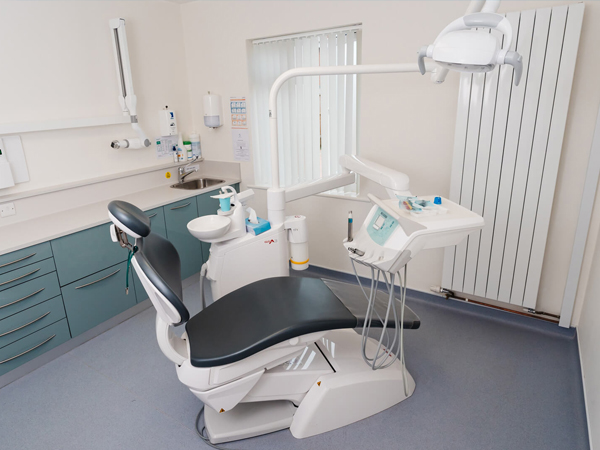
Toftwood Dental Practice, dental chair

Final Thoughts: What Option Is Best for You?

Choosing between dentures vs implants ultimately depends on your oral health, lifestyle, budget and long-term goals.  

Dental implants are often preferred by people who want a permanent, natural-feeling replacement and are suitable for surgery. Dentures remain an excellent, cost-effective and non-invasive alternative.  

The best way to know what’s right for you is through a professional assessment. At Toftwood Dental Practice, we help patients across Dereham and Norfolk explore both treatments with clarity and confidence.  


Book a consultation today to discover whether dental implants or dentures are the best fit for your smile.

FAQs

How do eating and speaking differ with implants vs. dentures?

Implants function similarly to natural teeth, so chewing and speaking often feel more natural. Dentures can sometimes move slightly, especially lower dentures, which may take time to adapt to.

Both options can be suitable. Many older adults successfully receive implants, but bone health, medical history, and medication use must be considered. Dentures may be more appropriate for patients who prefer a non-surgical option.

A single implant provides a long-lasting, natural-feeling replacement without affecting neighbouring teeth. A single-tooth denture can be a quicker, more affordable option but may feel less stable.  

Yes, many patients transition from dentures to implants. However, prolonged denture use can lead to bone loss, which may require bone grafting before implant placement

This content is for informational purposes only. Consult a professional for personal advice.

Sources: 

NHS (National Health Service – UK) 

NICE (National Institute for Health and Care Excellence) 

Public Health England / Office for Health Improvement and Disparities (OHID) 

Share this article:

Facebook
LinkedIn
Email
WhatsApp
X

Latest Posts

Professional whitening compared to over-the-counter kits

Table of contents 1. What is teeth whitening?2. How teeth whitening works3. Cons of over the counter whitening4. Pros of professional whitening5. Why should I get my teeth whitened by a Dental professional and not use an over-the-counter shop bought product?6. Are you a good candidate for teeth whitening?7. Conclusion Teeth whitening is a popular cosmetic dental treatment designed to brighten yournatural smile by reducing the appearance of stains and discolouration. Over time,factors such as food, drink, smoking, ageing, and certain medications can causeteeth to darken. Professional teeth whitening by your dentist offers a safe, effectivesolution by using clinically approved whitening agents under dental supervision,delivering noticeable, even results while protecting your teeth and gums.This blog helps to explain why professional teeth whitening with a dental professionalis the safer option over using over-the-counter whitening products that can bepurchased from a supermarket or pharmacy. What is teeth whitening? Teeth whitening is a cosmetic dental treatment which uses chemicals to lighten thecolour of your natural teeth. Whitening can reduce stains and discolouration fromcoffee, tea, red wine, smoking, ageing, and certain medications.Professional teeth whitening uses clinically approved whitening agents to breakdown these stains, helping your smile look brighter and more refreshed. Whencarried out or supervised by a dental professional, whitening is a safe and effectiveway to enhance your smile while protecting your tooth enamel and gums. How teeth whitening works? Professional teeth whitening uses a safe whitening gel, usually containing hydrogenperoxide, to lighten the natural colour of your teeth. The process works by: Penetrating the enamel to reach deeper stains within the tooth. Breaking down the stains caused by food, drink, smoking, and ageing. Lightening the tooth colour without damaging or removing tooth structure.  Professional teeth whitening is carefully controlled by dental professionals toprotect your teeth and gums. Creating a brighter and more even looking smile. Over-the-counter whitening Poor fit – “One size fit’s all” trays or whitening strips can lead to patchy orinconsistent whitening. As everybody has different sized jaws, it is veryunlikely these whitening trays will feel comfortable in the mouth. Irritation – Incorrect use can cause tooth sensitivity or gum irritation. Less effective – Lower whitening strength often means less noticeableresults. In the UK whitening products sold in shops are limited to 0.1%hydrogen peroxide to ensure safety. No dental assessment – Underlining issues like decay or gum disease arenot addressed, therefore untreated prior to whitening. Enamel risk – Incorrect product use can damage enamel or worsen existingsensitivity. Professional whitening Teeth whitening carried out by a dental professional is a much safer and reliableoption with guaranteed results. Clinical before photos may be taken on your initialconsultation process to ensure whitening progress is being made throughout yourjourney. Safer treatment – Supervised by a dental professional at all times to protectyour teeth and gums. Better results – Stronger, clinically approved whitening agents for morenoticeable whitening. Professional whitening products use a higherpercentage of either hydrogen peroxide or carbamide peroxide than over thecounter. These products with a higher percentage can only be provided onprescription by a dental professional. Even finish – Custom made trays ensure consistent, natural looking results. Tailored treatment plan and care – Treatment is customised to your teeth,goals, and sensitivity levels. Longer lasting results – Professional whitening tends to last longer withproper aftercare. Expert guidance – Your dentist can advise on maintaining results andreducing sensitivity. Why should I get my teeth whitened by a Dental professional and not use a shop bought product? When it comes to deciding whether you should get your teeth whitened by a DentalProfessional or buy a whitening kit from a shop, it is very important you carry outyour research. Although shop bought whitening kits may seem like they are a moreaffordable option, there are many reasons for their price tag. There are manydifferent products on the market, but they will never be able to deliver the result youare looking for in a safe way. Results – Professional teeth whitening uses stronger but carefullyadministered chemical agents which can lighten teeth up to 16 shades. Shopbought kits use a low whitening agent or use a “blue light technology” which isjust a placebo effect. The bright blue light is often just used as a timer ratherthan an activating agent. Customisation – Most of shop bought products are usually “one size fits all”which is not true. Everyone has a different sized jaw, which usually varies inwidth. Using a whitening tray that doesn’t fit your mouth correctly, may lead tothe whitening agent to spill out of the edges, or not even meet the teeth at all.Dental professionals use custom made trays by taking impressions, this way itensures the gel stays on the teeth, providing an even, effective coveragewithout leaking. Safety and protection – Sometimes, you may not be applicable to undergoteeth whitening. It is advisable that you have your dental health checked firstto ensure you are suitable for whitening. Whitening may not be applicable ifyou have dental caries, or poor gum health. A dentist will ensure to carry outany treatment confirming your mouth is stable to start whitening treatment. Long lasting results – Professional dental treatments can often last longer,usually up to 2 years with regular reviews Are you a good candidate for teeth whitening? Not everyone is a candidate for teeth whitening. You are usually a good candidate forteeth whitening if: Your teeth are healthy and there is no tooth decay present or active gumdisease. Your discolouration is from staining from tea, coffee, wine, smoking or somefood. You do not have front white fillings, crowns or veneers. You are not pregnant or breast feeding. You do not suffer from severe teeth whitening. Teeth whitening is an effective cosmetic treatment that can significantly enhance theappearance of your smile when carried out safely and correctly. While over thecounter whitening products may appear convenient and more cost effective, theyoften deliver limited and uneven, with potential risks to your enamel and gums. Incontrast, professional teeth whitening is carefully assessed and supervised by adental professional to ensure both safety and optimal results. Ultimately, choosingprofessional teeth whitening

Read More »

Dentist in Dereham

Looking for a new dentist?
Become a patient by contacting us today!

Follow us

Leave a Reply

Your email address will not be published. Required fields are marked *