BY TOFTWOOD DENTAL PRACTICE
11 September 2025
Table of Contents
Having braces is a commitment, whether you’ve worn metal orthodontic braces or Invisalign ®. The day they come off is exciting, but it isn’t the end of the journey. Without extra care, teeth can start shifting back to where they were before treatment.
That’s why wearing retainers after braces is important, they keep your teeth securely in place as they settle into their new position, protecting the smile you’ve worked so hard for. They are a vital part of orthodontic care, not an optional extra.
This article explains what retainers are, why they matter, how long to wear them, and how to care for them so your new smile lasts.
What is a retainer?
A retainer is a custom-made orthodontic device that keeps your teeth in their new, straight positions after your braces or Invisalign® are removed.
Your teeth aren’t completely stable. Without a retainer, teeth can gradually drift back to where they started, undoing all the effort of treatment.
Retainers come in two main forms: removable or fixed. Sometimes you may even have a combination of both, depending on your teeth and the advice of your orthodontist.
Importance of wearing retainers after braces
Teeth are always on the move. The bone and tissues around them need time to settle after an orthodontic treatment, and natural ageing can still cause movement over the years. Without a retainer, teeth are likely to shift back, something orthodontists call ‘relapse’.
Here’s why retainers matter so much:
Reason 1: Stop teeth drifting back
After braces are removed, teeth naturally want to move back towards their original positions. A retainer is like a safety net, keeping your teeth in place and protecting your orthodontic results.
Reason 2: Help bone and gums adjust
When teeth are moved, the bone and gum tissue around them need time to settle into their new places. This process can take months or even years, and a retainer provides the support needed during this healing stage.
Reason 3: Protect your bite
Straight teeth aren’t just about appearance. They also help you chew food properly and reduce uneven pressure on your jaw. Wearing a retainer keeps your bite balanced and can help prevent problems like tooth wear or jaw pain in the future.
Reason 4: Maintain lifelong results
Teeth don’t stop moving once you reach adulthood. Natural ageing, everyday chewing, and even habits like grinding can cause small shifts over time. Regular retainer wear is the best way to make sure your teeth stay straight for life.
Reason 5: Preserve confidence
Wearing your retainer protects the smile you’ve worked so hard to achieve during your orthodontic treatment. A straight and healthy smile can make a difference to your confidence in daily life.
Different types of retainers
According to the NHS and British Orthodontic Society, there are three main types:
Clear Plastic Retainers
Fixed Retainer
Traditional Wire and Plastic Retainers
1. Clear Plastic Retainers (Removable)
- Thin, clear trays that fit over your teeth.
- Nearly invisible and popular with adults and teens.
- Easy to wear but remove for meals (especially in the first months) and clean daily.
- NHS England guidance confirms that clear retainers are now the most used type in the UK.
2. Traditional Wire and Plastic Retainers (Removable)
- Made of acrylic and a fine wire across the front teeth (often called a Hawley retainer).
- Strong and long-lasting and can be adjusted by your orthodontist.
- They are slightly more visible than clear retainers and are mainly used in children.
3. Fixed Retainers (Bonded)
- A thin wire glued to the back of your teeth.
- Invisible from the outside and always working, no need to remember to wear them.
- Require careful cleaning to prevent plaque build-up and protect gum health.
- If part of the wire comes loose, you should contact your orthodontist immediately.
Simple guide to remember:
- Clear retainers: discreet and removable.
- Wire and plastic retainers: durable but more visible.
- Fixed retainers: always in place but need extra cleaning.
How long do you have to wear dental retainers after braces?
The British Orthodontics Society advises that retainers are a long-term commitment. Teeth can move naturally throughout life, so wearing retainers isn’t just for the first year, it’s often for life.
- Immediately after braces: wear your retainer as directed, often full-time for several months.
- After the first year: you’ll usually only need to wear your retainer at night, but your orthodontist will give you personalised guidance.
In simple terms: to keep your teeth straight, you need to keep wearing your retainers.
How long does a retainer last?
How long your retainer lasts depends on the type and how well you look after it:
- Clear retainers: usually need replacing every few years.
- Wire and plastic retainers: can last longer, often several years, with good care.
- Fixed retainers: can last many years but must be checked regularly to make sure they’re still secure.
When to see an orthodontist?
See your orthodontist or dentist if you notice any problems with your retainer or changes in your teeth, such as:
- Your retainer feels loose or broken.
- Teeth start shifting.
- Discomfort that doesn’t go away.
- Problems cleaning around a fixed retainer.
- You lost your retainer.
If you’re worried about your retainer or your teeth moving, contact us at Toftwood Dental Practice. We provide trusted dental care in Toftwood, Dereham and across Norfolk.
Tips for caring for your post braces retainer
Looking after your retainer is just as important as wearing it: proper care helps it last longer, keeps it comfortable to use, and ensures it continues to do its job of holding your teeth in place.
- Clean removable retainers daily with a soft brush and warm water.
- Avoid hot water, which can warp plastic retainers.
- Keep them in their case when not in use, never wrap them in tissue where they might be thrown away.
- Soak removable retainers occasionally in cleaning solution recommended by your dentist.
- For fixed retainers, use floss threaders or interdental brushes to clean around the wire.
- Always bring your retainers to check-up appointments.
Conclusion
Wearing a retainer after braces isn’t just the final step of orthodontic treatment, it’s the key to protecting your new smile for life. Whether you have a post braces retainer that’s removable or fixed, following your orthodontist’s instructions will help you keep your teeth straight and healthy.
At Toftwood Dental Practice, we support patients at every stage of their orthodontic journey. From orthodontic braces to Invisalign ®, and through to long-term retainer care, our friendly team in Dereham, Norfolk is here to help you smile with confidence.
Want to make sure your results last? Book your retainer check-up with our team today.
Disclaimer: This content is for informational purposes only. Consult a professional for personal advice.
Sources:
Share this article:
Latest Posts

Types of Dental Implants
Discover the different types of dental implants and find the best fit for your smile!

Dental Implant: Step-by-Step Process
Explore with us the dental implant process step by step, from initial consultation to final restoration. Everything you need to know is in this article.

What Are Invisalign Aligners, And How Do They Work?
Straighten your smile with Invisalign, clear, removable aligners that fit your lifestyle. Available now at Toftwood Dental Practice in Dereham.
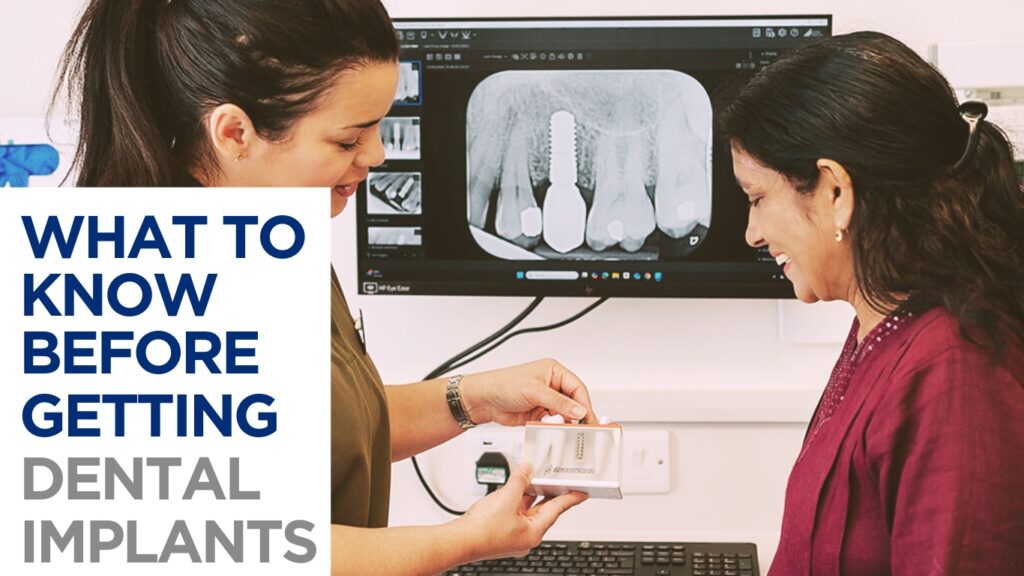
What to Know Before Getting Dental Implants
Thinking about getting a dental implant? Keep reading and discover some important things to know before getting one, like benefits, side effects, costs, and more.
Dentist in Dereham
Become a patient by contacting us today!