


BY TOFTWOOD DENTAL PRACTICE
4 September 2025
Table of Contents
The amount of ‘Turkey Teeth’ has grown in recent years, with many UK patients tempted by the promise of high-quality dental treatments like veneers, crowns, and dental implants at a fraction of local prices. If you’re considering saving money abroad versus the reassurance of local care, this article explains the key differences between UK and Turkey dental treatments for your smile makeover.
In this article, we’ll explore what each option offers and its main differences.
What are ‘Turkey Teeth’?
This term refers to cosmetic dental procedures, often full smile transformations, that UK patients undergo in Turkey. Typically, they involve veneers, crowns, or implants and are done using modern CAD/CAM technology for precision and aesthetics.
UK Dental Treatments vs ‘Turkey Teeth’
As more people consider travelling abroad for cheaper dental work, the question of UK treatments versus Turkey teeth is more relevant than ever.
How do Turkey teeth costs compare to the UK?
Dental treatments in Turkey can be significantly cheaper than in the UK. However, lower prices don’t always guarantee better value. Factors like the dentist’s experience, the quality of materials and post-treatment support can vary, which can impact long-term results.
That said, cost remains a major consideration for many patients. To give a clearer picture, here’s a comparison of typical treatment costs in the UK versus Turkey*
|
Treatment
|
UK (£)
|
Turkey (£)
|
|---|---|---|
|
Single Implant
|
£2,000 – £2,500
|
£400 – £850
|
|
Full-Arch (All-on-4)
|
From £8,000+
|
£3,200 – £7,800
|
|
Veneers (per tooth)
|
£500 – £1,000
|
£100 – £300
|
|
Crowns (per tooth)
|
£600 – £900
|
£350 – £700
|
*Prices shown above are approximate.
What does dental insurance cover in the UK vs Turkey?
Certain private UK dental insurance policies may offer cover for treatments such as implants, but this usually comes with conditions such as annual limits, waiting periods, or exclusions. By comparison, most insurers will not cover dental work carried out abroad. This means that if problems develop after treatment in a dental clinic in Turkey, patients are often left to cover the full cost of corrective care back in the UK.
In Turkey, dental treatments are usually paid for upfront, and most international insurance won’t cover them. Even if clinics offer ‘all-inclusive’ packages, these often don’t include follow-up care or cover for complications once you’re back home.
At Toftwood Dental Practice, we offer a dental membership plan that helps make treatments more affordable, allowing patients to spread the cost while ensuring access to regular, high-quality care at excellent value.
What dental technology is available in the UK that Turkey might lack?
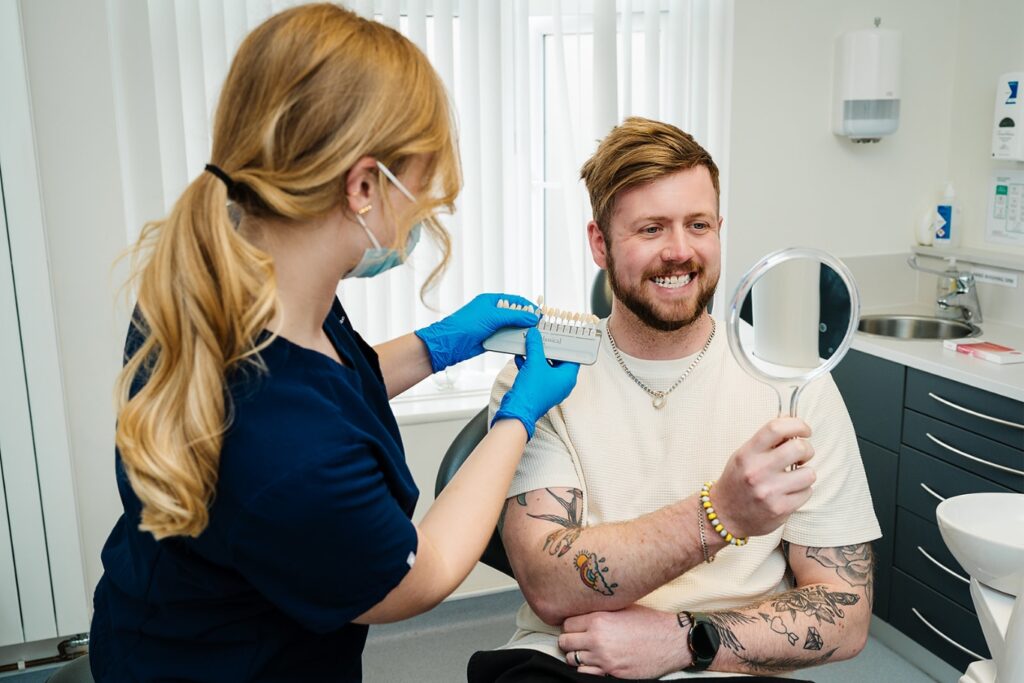
UK dental practices often use advanced digital scanning, 3D imaging, and computer-aided design systems. These technologies allow for highly accurate treatment planning, custom-made restorations, and predictable results. Such innovations also reduce chair time and improve patient comfort.
In addition to technology, UK clinics must comply with strict standards set by the General Dental Council (GDC), which include not only the use of safe, approved equipment but also principles such as effective communication, listening to patients, giving them time to make decisions, and tailoring care to their individual needs.
By contrast, while many Turkish clinics advertise modern equipment, oversight and regulation can vary. Some practices may not invest in the same level of digital infrastructure, and patients may find that communication standards or detailed treatment planning protocols are not as robust as in the UK. This difference in both technology and regulation can affect the long-term success and safety of treatments.
How does the language barrier impact dental treatments in Turkey?
Language barriers in Turkey can make it harder to discuss concerns, understand procedures, or follow aftercare, issues you won’t face with local UK clinics.
What’s the difference in aftercare between Turkey and the UK?
UK practices provide ongoing support for emergent issues, routine follow-ups, and repairs. If complications arise from Turkey teeth, returning home may mean difficulties accessing affordable, timely corrective care. Lastly, local dentists may struggle to rectify work done abroad which can add both cost and stress to patients.
Making the Right Choice
Choosing between local care and treatment abroad requires balancing cost, safety, convenience, and long-term support. Local clinics offer personalised treatment options, such as veneers, crowns, dental implants, together with transparent quote breakdowns, no hidden fees, and flexible financing plans.
A reputable practice may offer:
- A clear, itemised written quotation covering consultation, scans, surgery, implant abutment, and crown.
- No hidden fees, ask whether aftercare visits or X‑rays are included.
- Flexible finance options, such as spread‑the‑cost schemes.
These plans help ensure you know exactly what you’re paying for, an advantage over overseas options where unexpected costs and limited follow-up may make initial savings vanish.
Conclusion
While ‘Turkey teeth’ may appear attractively priced and convenient, it’s essential to weigh the total value, not just upfront savings. With dental care in Dereham, you gain advanced technology, trusted expertise, clear pricing, dependable aftercare, and the reassurance of being close to home.
FAQs
1. Are Turkey teeth safe?
While numerous Turkish clinics provide quality care, the regulatory oversight and clinical safety standards may not consistently reach the stringent levels upheld in the UK. This can increase the risk of complications such as poorly fitted crowns or veneers, over-prepared teeth, gum irritation, or even implant failures.
2. Can I fix Turkey teeth in the UK?
It can be challenging. UK dentists may find it difficult to correct poorly executed or non-compliant work, particularly if the materials or techniques used abroad do not meet UK standards. This often means treatments such as veneers, crowns, or implants may need to be fully redone rather than adjusted, which can significantly increase costs and extend recovery times.
Some patients may need extra scans, surgery, or gum and bone treatments before restorations can be replaced. Fixing problems is often more complex, time-consuming, and costly than having the work done to UK standards from the start.
Choosing a regulated local provider in Dereham, or across Norfolk guarantees access to reliable aftercare and long-term maintenance, something that can be much harder to achieve if your dental journey starts overseas.
3. Why are dental treatments in Turkey cheaper?
Lower overheads, favourable exchange rates, government incentives for medical tourism, and competitive pricing in a booming healthcare economy contribute to lower prices.
4. What to do if something goes wrong with my dental work in Turkey?
You may face extensive travel, high corrective costs, and limited legal recourse. UK practices can help assess and stabilise treatments, but prevention through choosing local care often proves wiser.
5. How long do Turkey teeth last?
Longevity depends on materials used and care quality. UK practices typically offer restorations designed for long-term durability with ongoing maintenance support.
6. How long does it take to recover from dental work done in Turkey?
Healing time depends on procedure and patient health. There’s no fundamental difference by location. However, dealing with post-operative issues far from home can add stress and complexity.
This content is for informational purposes only. Consult a professional for personal advice.
Share this article:
Latest Posts

10 Questions about dental implants
Get clear answers to your dental implant FAQs, from costs and materials to care, so that you can smile with confidence!

How to choose a dentist for dental implants?
Choosing a dental implant dentist? Spot key qualifications, modern tech, transparent fees, and quality aftercare. Click to discover how!

Dental Membership Plan: What it is and how it helps you
Discover how a dental membership plan can save you money and keep your smile healthy all year round. Learn more about the benefits!

Can Anyone Get Invisalign?
Discover if you could get Invisalign braces! From teens to seniors, find out who’s eligible and start your smile journey.

Advantages and Disadvantages of Dental Implants
Thinking about dental implants? Discover the pros and cons to help you decide if they’re right for you!

Invisalign Chewies: 12 Common Questions
Curious about Invisalign Chewies? Discover how these tiny tools can boost your aligner fit and comfort. Read our full guide now!
Dentist in Dereham
Become a patient by contacting us today!