


BY TOFTWOOD DENTAL PRACTICE
1 October 2025
Table of Contents
Halloween is a fun season full of costumes, parties, and, most importantly for many children, sweets. But for parents, it can also bring concerns about children’s rotten teeth. This article explains how sugary treats cause tooth decay, which sweets are worst, and how to keep your child’s smile healthy. Use this guidance to help reduce the risk of kids’ rotten teeth while keeping Halloween enjoyable! In this article, we’ll explore what each option offers and its main differences.
What Are the Effects of Halloween Sweets on Your Child’s Teeth?
Halloween treats pose several risks to your child’s oral health. Understanding these can help you pick your battles wisely and decide which sweets are worth keeping and which to avoid.
Candy, especially sugary or acidic varieties, fuels the bacteria that naturally live in plaque. These bacteria feed on sugars and release acids, which begin attacking the tooth’s protective enamel within minutes. If these acid attacks happen too often, they stop the teeth from repairing themselves and eventually cause cavities or rotten teeth in children. Over time, these problems can impact your child’s ability to eat, speak, and even sleep comfortably.
Let’s break down the main dental effects:
Tooth sensitivity and enamel erosion
Eating sugary or acidic sweets often can slowly weaken tooth enamel. This makes teeth more sensitive to hot, cold, or sweet foods. Over time, enamel loss exposes the dentine, causing discomfort and making decay spread more quickly. Drinks like fizzy pop or sour sweets are especially problematic as they are both sugary and acidic.
Cavities and tooth decay
The most common outcome of sugar attacks is cavity formation. When acid from plaque demineralises enamel faster than it can remineralise, holes (caries) develop.
Tooth decay is the main reason children aged 6 to 10 go to the hospital in England, according to the NHS. However, good habits can mostly prevent it. Catching cavities early makes them easier and less invasive to treat.
Cracked or chipped teeth from hard sweets
Some Halloween treats are hard or brittle. Biting into them, especially if the sweet is unexpectedly firm, can fracture or chip a tooth. These cracks may cause immediate pain or allow bacteria to enter the inner tooth layers, leading to infection. If this happens, seek emergency dental care, fast treatment can save the tooth and avoid further problems.
Damage to fillings from sticky sweets
Sticky or chewy confections can pull at dental work, loosening crowns or fillings over time. Children with existing restorations are particularly vulnerable. A damaged filling may leave the tooth exposed, leading to sensitivity, pain, or further decay. If this happens, your dentist may need to repair or replace it.
Gum inflammation from sweets left behind
Sugary residue stuck between teeth and gums can feed bacteria, leading to inflammation, swelling, or bleeding gums (early signs of gingivitis). If left untreated, this can progress to more serious gum problems as your child gets older. Encouraging thorough brushing and flossing, especially before bed, is the best way to reduce this risk.

The Most Damaging Halloween Treats for Kids’ Teeth
Not all sweets pose an equal risk. Some are particularly damaging:
- Sticky sweets and toffees (e.g. gummies, caramels) cling to teeth and stay in contact with enamel for longer.
- Chewy candy bars or nougat sweets prolong exposure to sugar.
- Hard-boiled sweets, such as lollipops, boiled candy, or rock candy, have an acidic pH, which accelerates enamel erosion.
- Chocolate with nuts or brittle shells is slightly safer if consumed quickly (less lingering around) but still contains sugar.
When possible, favour treats that are less sticky, melt faster, or come in small portions.
5 Ways to Protect Kids from Rotten Teeth During Halloween
Halloween doesn’t have to mean rotten children’s teeth. With a few simple habits, parents can help kids enjoy their treats while keeping their smiles healthy. Here are five easy tips:
1. Rinse your child’s mouth with water after treats
Encourage your child to drink or swish water immediately after eating sweets. This helps wash away leftover sugar and neutralise acids before they can damage enamel. If you’re out trick-or-treating, carrying a reusable water bottle can make this habit much easier.
2. Keep them away from sticky sweets
Reduce or eliminate sticky, chewy candies from the Halloween haul, as they cling to teeth and are harder to brush away. Instead, give options like sugar-free gum (if age-appropriate), plain chocolate, or small non-candy treats such as stickers or toys. These swaps keep the fun without the same level of risk.
3. Limit your child’s trick-or-treating stops
Instead of visiting dozens of houses, limit the route to a handful of stops. Fewer sweets mean fewer acid attacks and less temptation to snack constantly. You can also set up a “treat swap” at home, trading extra sweets for a small toy, activity, or family outing.
4. Encourage brushing and flossing after eating sweets
Help your child brush (or supervise brushing) at least twice a day, especially before bed, using a fluoride toothpaste. If brushing immediately after candy isn’t possible, wait 30 minutes to protect enamel from acid-softened surfaces. Adding flossing or interdental brushes can remove sticky residues between teeth that a toothbrush might miss.
5. Schedule a post-Halloween dental visit
Arrange a visit to your dentist after Halloween to catch any early signs of decay. During the appointment, the dentist can perform a check for cavities and give personalised advice. It’s also a good chance to remind children about the benefits of regular dental check-ups and to build healthy habits that last all year.
How Toftwood Dental Practice Helps Prevent Children’s Rotten Teeth
At Toftwood Dental Practice, our commitment is to support families in maintaining healthy smiles throughout the year, especially during sugar-rich seasons like Halloween. Here’s how we help:
- We offer comprehensive dental examinations tailored for children, assessing every tooth for signs of decay or early damage.
- We may apply preventive treatments such as fluoride varnish or fissure sealants to protect vulnerable surfaces.
- For children already at risk, we provide personalised care plans (diet advice, more frequent recalls, supervised brushing support).
- If decay has already started, we can treat it early or refer to a specialist if needed.
- We also work closely with local families in Dereham, Toftwood, and wider Norfolk to increase awareness of preventive care and early treatment.
If you’re in the area and want to safeguard your child’s teeth, contact us to schedule a dental examination, early detection and prevention are key.
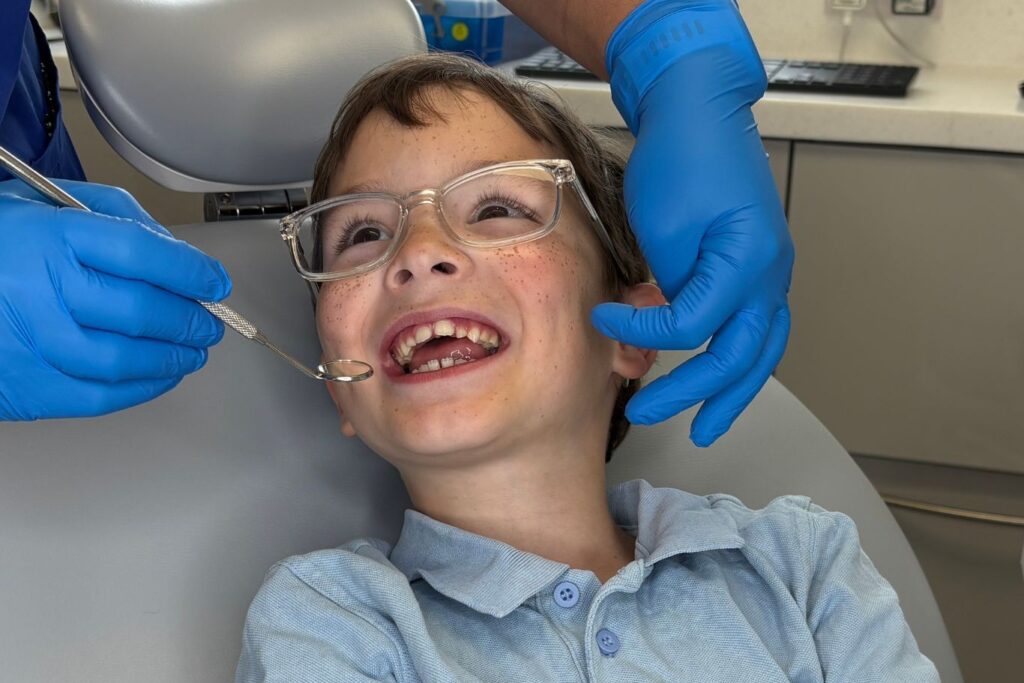
Keep Halloween Fun, Without the Rotten Teeth
Halloween doesn’t have to be a battle against sugar. With reasonable limits, smart substitutions, and good oral hygiene, your child can enjoy treats without risking teeth.
Remember:
- Choose less harmful candy or non-food rewards
- Limit the number of treats and the frequency of snacking
- Encourage rinsing and brushing
- Keep up with dentist check-ups
By taking these steps, you can help your child maintain a bright, healthy smile well beyond October 31.
FAQs
Why is candy bad for your teeth?
Sugar in candy feeds the bacteria that live naturally in the mouth. These bacteria produce acid as they digest sugar, and the acid attacks tooth enamel. Repeated acid attacks weaken enamel and lead to cavities over time.
Eating sweets often during the day is harmful. It does not give teeth a chance to recover between sugar hits.
Is sugar-free hard candy bad for your teeth?
Sugar-free hard candy is less harmful than regular sweets because it doesn’t provide fermentable sugars for bacteria. But frequent sucking of candy still bathes teeth in saliva and possibly flavour acids, so moderation is wise.
How soon should my child brush after eating sweets?
It’s best to wait around 30 minutes after consuming sugary or acidic foods before brushing. Brushing too soon damages enamel that acids have temporarily softened. In the meantime, have your child rinse with water or, if they’re old enough, chew sugar-free gum to help reduce acids until it’s safe to brush.
Are chocolate candies better for teeth than gummies?
In general, chocolate (especially lower-sugar or dark chocolate) sticks less and melts faster than gummies, so it reduces exposure time.That said, they still contain sugar, so the same precautions apply.
Is sour candy bad for your teeth?
Yes, sour candies are particularly harmful because they are both sugary and highly acidic. The acidity softens enamel, making teeth more vulnerable to decay. Combined with sugar, this creates a “double attack” on children’s teeth. Limiting sour sweets and offering water afterwards can help reduce the risk, but they are best treated as an occasional indulgence.

If you’re looking for dental care in Dereham, please feel free to reach out to us at Toftwood Dental Practice. We’d be happy to help you protect your child’s smile.
This content is for informational purposes only. Consult a professional for personal advice.
Share this article:
Latest Posts

Types of Dental Implants
Discover the different types of dental implants and find the best fit for your smile!

Dental Implant: Step-by-Step Process
Explore with us the dental implant process step by step, from initial consultation to final restoration. Everything you need to know is in this article.

What Are Invisalign Aligners, And How Do They Work?
Straighten your smile with Invisalign, clear, removable aligners that fit your lifestyle. Available now at Toftwood Dental Practice in Dereham.
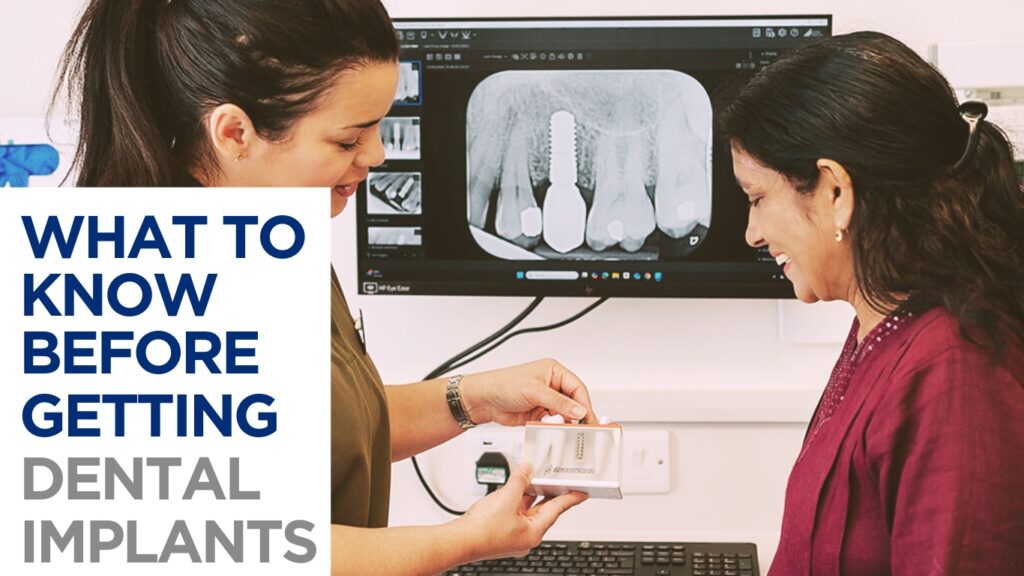
What to Know Before Getting Dental Implants
Thinking about getting a dental implant? Keep reading and discover some important things to know before getting one, like benefits, side effects, costs, and more.
Dentist in Dereham
Become a patient by contacting us today!