


BY TOFTWOOD DENTAL PRACTICE
23 July 2025
Table of Contents
Choosing dental implants is a significant decision. One that can transform not only your smile but also your confidence and quality of life.
In this guide, we answer some questions you may have about dental implants, from cost to aftercare.
1. What are dental implants?
Dental implants are bespoke posts that are surgically placed into your jawbone to serve as artificial tooth roots. They are most commonly made from titanium, though zirconia (a strong ceramic) is also available.
Once these posts have fully integrated with your bone (a process called osseointegration), they provide a solid foundation for:
- Single crowns (for one missing tooth)
- Bridges (for several adjacent missing teeth)
- Implant-retained dentures (for a full arch)
2. How much do dental implants cost?
Dental implant prices vary depending on different factors. For example:
- Number of implants required.
- Type of restoration (crown, bridge, denture).
- Bone grafting or sinus lift (if there’s insufficient bone volume).
- Materials chosen (titanium vs. zirconia; premium vs. standard-grade components).
- Complexity of the case (e.g., immediate loading protocols).
At Toftwood Dental Practice, we will provide a transparent, detailed dental implant treatment plan during your consultation. We also have a payment scheme that could help you have the smile you’ve always wanted to have.
3. Can you get dental implants on the NHS?
Dental implants are generally regarded as an elective, cosmetic treatment. So they are not routinely available on the NHS. In exceptional circumstances, NHS funding may be considered.
Your best course of action is to discuss your individual needs with your NHS dentist. Or book a consultation with our team to explore private options.
4. Does dental insurance cover implants?
Some private dental insurance plans include implant cover. But it often depends on your policy’s limits and waiting periods.
We recommend checking with your insurer for details on annual maximums, excesses, and any exclusions.
However, many insurance policies won’t cover treatments carried out abroad. If you are thinking about travelling for dental work to Turkey, here is why choosing UK dental treatments over so-called “Turkey Teeth” might be a safer and smarter option.
5. Can you get a payment plan for dental implants?
Yes, at Toftwood Dental Practice, we offer different payment options. And we work closely with you to ensure your dental care fits within your budget. We also have a dental membership plan that may be beneficial for your specific situation.
During your consultation, we’ll outline the available plans and help you find the option that suits your budget.
6. Can you have dental implants with receding gums?
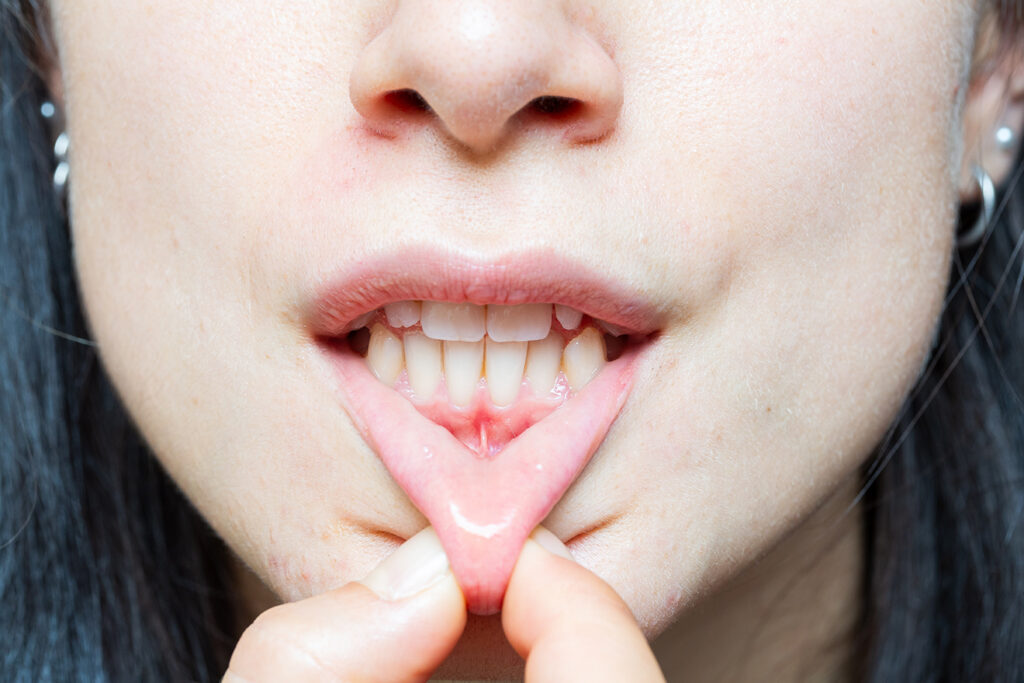
You may not be a good candidate for dental implants if certain conditions are present, such as gum disease. Receding gums (or periodontal disease) must be treated before implant placement for long-term success.
If you’ve experienced gum recession, we will work on a periodontal treatment to improve your case. Our specialist hygienists and periodontists will:
- Assess the severity of your gum condition via detailed charting and X-rays.
- Provide non-surgical gum therapy, such as deep cleaning (scaling and root planning).
- Perform soft-tissue grafts or bone regeneration procedures if needed.
Only once your gums and bone are healthy will we proceed with planning your implants.
7. Can dental implants fall out?
Whilst dental implants have a high rate of success, they can fail. That could happen if osseointegration doesn’t occur or if there’s ongoing infection or trauma.
Good oral hygiene, regular check-ups, and avoiding habits such as smoking may reduce the risk of failure.
If you ever have concerns (such as mobility or soreness around an implant), contact us immediately. Early intervention often means we can salvage the implant and avoid further complications.
8. How long does it take for dental implants to heal?
The healing timeline varies between patients, but you can generally expect a three- to six-month period for osseointegration. A typical timeline could look like this:
- Surgical placement – Day 0: Implant inserted. You could experience minor discomfort.
- Initial healing (soft tissues) – 7–10 days: Swelling subsides. Stitches (if applied) are removed.
- Osseointegration – 3–6 months: Implant fuses with bone; periodic check-ups.
- Abutment & crown fitting: After successful integration. Final crown or denture affixed.
We’ll monitor your progress with routine X-rays and appointments to ensure everything is healing as planned.
9. Can you get an MRI with dental implants?
Most modern implants are made from non-magnetic materials such as titanium or zirconia. Those are safe for MRI scans. However:
- They may cause minor artefacts (slight distortions) in images around the implant site.
- Always inform your radiographer about any implants before your scan so they can adjust the imaging parameters if necessary.
Rest assured, having implants is not a barrier to diagnostic imaging, but communication is key.
10. What is a dental implant made of?
Dental implants comprise three key components, each crafted from biocompatible materials. Those are designed to integrate seamlessly with your body and reliably support your new tooth.
A dental implant consists of:
- Fixture (Root): Usually titanium (or ceramic zirconia for a metal-free option), this screw integrates with your jawbone to provide a sturdy, long-lasting anchor.
- Abutment (Connector): A small titanium or zirconia post that links the fixture to your crown and sits just above the gum line.
- Crown (Tooth): Custom-made in porcelain, all-ceramic or zirconia to match your natural teeth in colour and shape.
Together, these materials ensure strength, biocompatibility and a seamless, natural look.
You can check which types of dental implants exist in this article.
Dental Implants in Dereham (Norfolk)
Ready to explore dental implants? At Toftwood Dental Practice, we combine modern technology with a warm, community-focused approach to deliver outstanding implant care. We will accompany you in the whole process step by step.
Why choose us?
- Community-Centred Care
- We’re proud to be part of the Dereham and wider Norfolk community. Our friendly team treats each smile as if it were our own.
- State-of-the-Art Facilities
- We invest in the latest technology to ensure outcomes are predictable, comfortable, and minimally invasive.
- Specialist Expertise Under One Roof
- Our implant surgeons, periodontists, restorative dentists, and hygienists work collaboratively, giving you seamless care without endless referrals.
- Transparent Pricing & Flexible Finance
- No hidden fees. No surprises. Just a clear, step-by-step plan with payment options to suit your budget.
- Tailored Aftercare & Support
- We don’t disappear once your crown is placed! Our dedicated implant care team will guide you through maintenance routines, hygiene appointments, and any follow-up checks.
Book your personalised consultation today and discover how we can help you improve your smile.
This content is for informational purposes only. Consult a professional for personal advice.
Share this article:
Latest Posts

Types of Dental Implants
Discover the different types of dental implants and find the best fit for your smile!

Dental Implant: Step-by-Step Process
Explore with us the dental implant process step by step, from initial consultation to final restoration. Everything you need to know is in this article.

What Are Invisalign Aligners, And How Do They Work?
Straighten your smile with Invisalign, clear, removable aligners that fit your lifestyle. Available now at Toftwood Dental Practice in Dereham.
What to Know Before Getting Dental Implants
Thinking about getting a dental implant? Keep reading and discover some important things to know before getting one, like benefits, side effects, costs, and more.
Dentist in Dereham
Become a patient by contacting us today!